
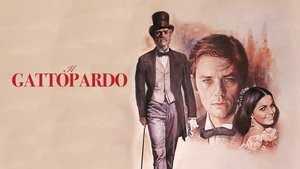
The Leopard
Luchino Visconti's enduring romantic adventure
1963 | 186m | Italian
Popularity: 2 (history)
| Director: | Luchino Visconti |
|---|---|
| Writer: | Luchino Visconti, Giuseppe Tomasi Di Lampedusa, Suso Cecchi d'Amico, Enrico Medioli, Pasquale Festa Campanile, Massimo Franciosa |
| Staring: |
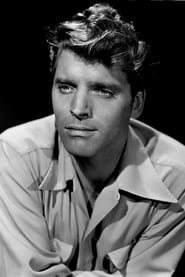


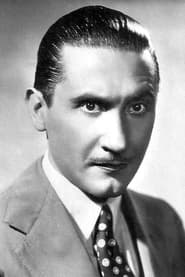
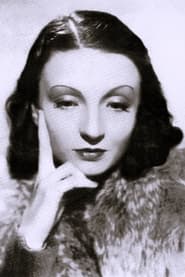
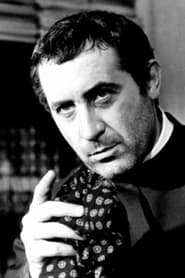
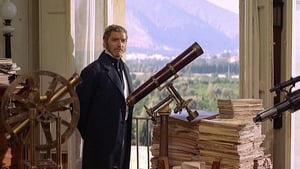
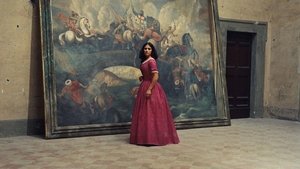
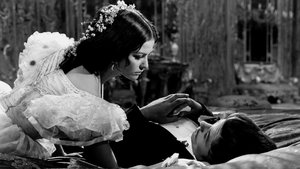
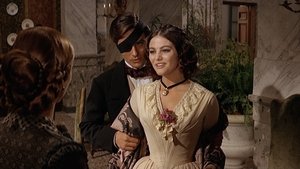
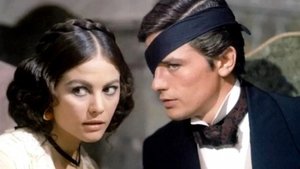
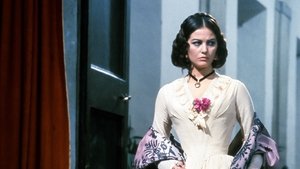
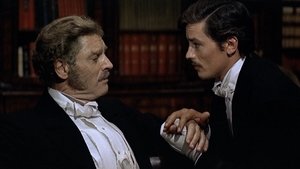
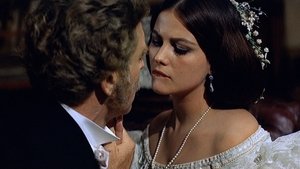
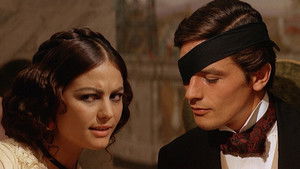
| As Garibaldi's troops begin the unification of Italy in the 1860s, an aristocratic Sicilian family grudgingly adapts to the sweeping social changes undermining their way of life. Proud but pragmatic Prince Don Fabrizio Salina allows his war hero nephew, Tancredi, to marry Angelica, the beautiful daughter of gauche, bourgeois Don Calogero, in order to maintain the family's accustomed level of comfort and political clout. | |
| Release Date: | Mar 27, 1963 |
|---|---|
| Director: | Luchino Visconti |
| Writer: | Luchino Visconti, Giuseppe Tomasi Di Lampedusa, Suso Cecchi d'Amico, Enrico Medioli, Pasquale Festa Campanile, Massimo Franciosa |
| Genres: | Drama |
| Keywords | civil war, sicily, italy, pastor, country estate, monarchy, arranged marriage, ambition, power takeover, political instability, palermo, sicily, bourbon, naples, italy, opportunist, plan, praise, decadence |
| Production Companies | Titanus, Société Générale de Cinématographie (S.G.C.), Société Nouvelle Pathé Cinéma |
| Box Office |
Revenue: $0
Budget: $0 |
| Updates |
Updated: Mar 11, 2026 Entered: Mar 11, 2025 |


![The Leopard (1963) ORIGINAL TRAILER [HD]](/extra_thumbs/06f7f24lpUI.jpg)
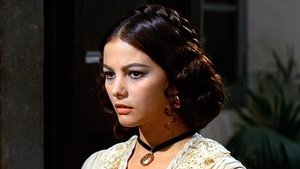
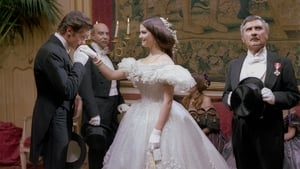
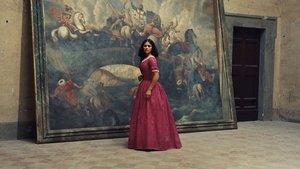
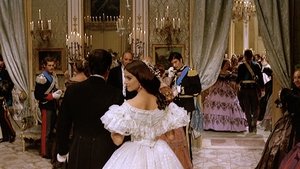
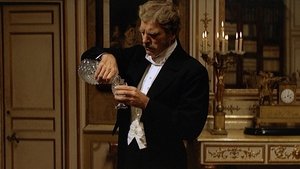
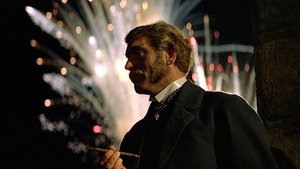
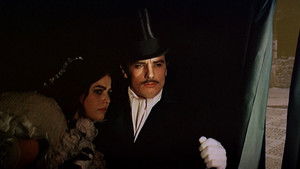
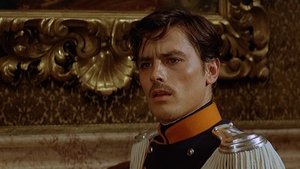
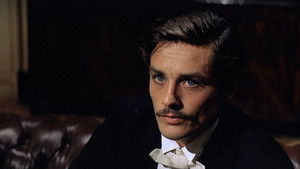
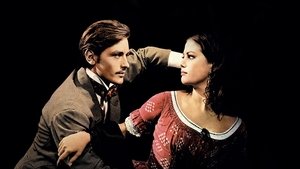
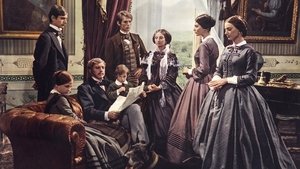

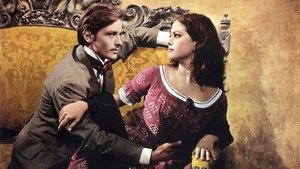

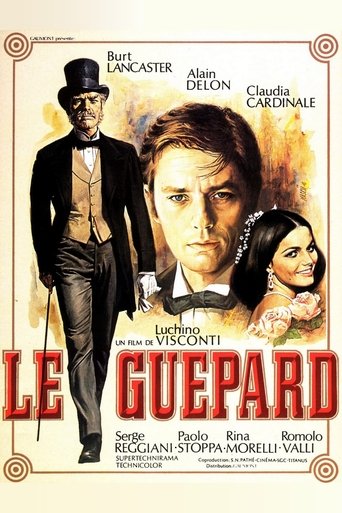
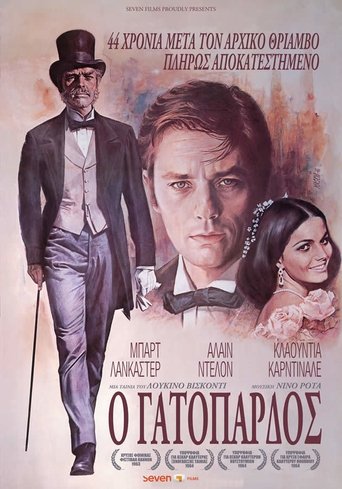
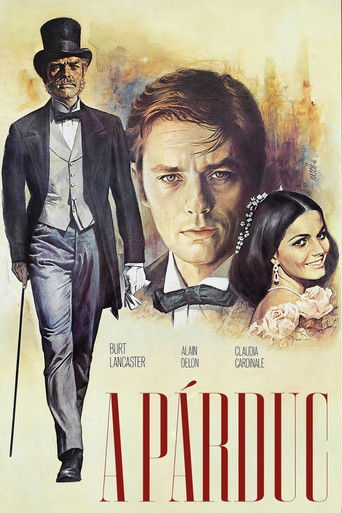
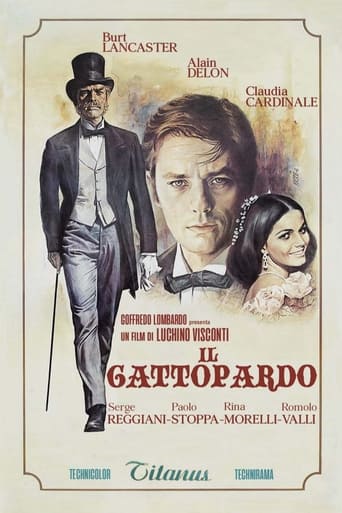
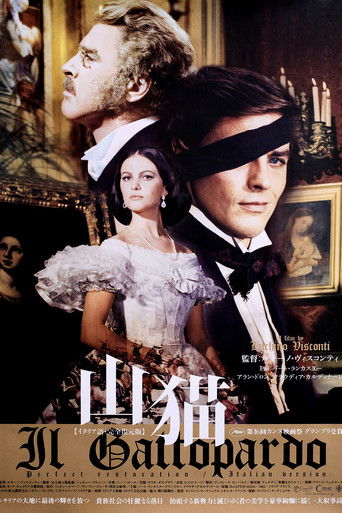
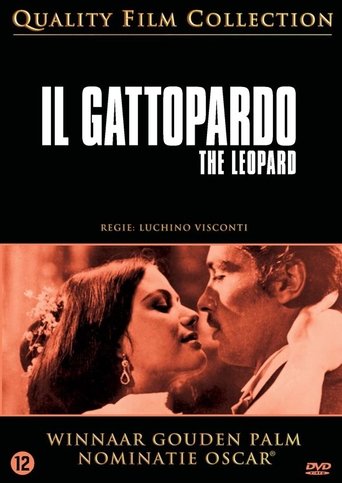

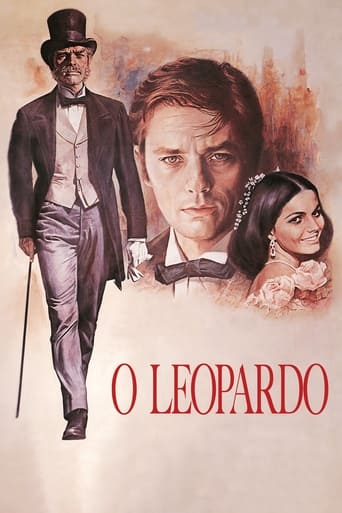





| Name | Character |
|---|---|
| Burt Lancaster | Prince Don Fabrizio Salina |
| Claudia Cardinale | Angelica Sedara / Bastiana |
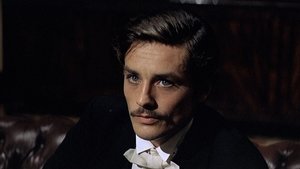
| Alain Delon | Tancredi Falconeri |
| Paolo Stoppa | Don Calogero Sedara |
| Rina Morelli | Princess Maria Stella Salina |
| Romolo Valli | Father Pirrone |
| Terence Hill | Count Cavriaghi |
| Pierre Clémenti | Francesco Paolo |
| Lucilla Morlacchi | Concetta |
| Giuliano Gemma | Garibaldi's General |
| Ida Galli | Carolina |
| Ottavia Piccolo | Caterina |
| Carlo Valenzano | Paolo |
| Brook Fuller | Little Prince |
| Anna Maria Bottini | Mademoiselle Dombreuil, the Governess |
| Lola Braccini | Donna Margherita |
| Marino Masé | Tutor |
| Howard Nelson Rubien | Don Diego |
| Tina Lattanzi | Cook |
| Marcella Rovena | Peasant Woman |
| Rina De Liguoro | Princess of Presicce |
| Valerio Ruggeri | Colonel |
| Giovanni Melisenda | Don Onofrio Rotolo |
| Giancarlo Lolli | |
| Franco Gulà | Mimi |
| Vittorio Duse | Colonel |
| Vanni Materassi | Sergeant |
| Giuseppe Stagnitti | |
| Carmelo Artale | |
| Olimpia Cavalli | Mariannina |
| Anna Maria Surdo | |
| Halina Zalewska | |
| Winni Riva | Waitress |
| Stelvio Rosi | Sergeant |
| Carlo Palmucci | |
| Dante Posani | |
| Rosolino Bua | |
| Ivo Garrani | Colonel Pallavicino |
| Leslie French | Cavalier Chevalley |
| Serge Reggiani | Don Francisco Ciccio Tumeo |
| Pippo Agusta | Minor Role (uncredited) |
| Inna Alexeievna | Woman at Ball (uncredited) |
| Marie Bell | (uncredited) |
| Omero Capanna | Citizen (uncredited) |
| Lou Castel | Party Guest (uncredited) |
| Sandra Christolini | Youngest Daughter (uncredited) |
| Maurizio Merli | (uncredited) |
| Augusto Pescarini | (uncredited) |
| Paola Piscini | (uncredited) |
| Amalia Troiani | (uncredited) |
| Name | Job |
|---|---|
| Nino Rota | Original Music Composer, Music Arranger |
| Mario Serandrei | Editor |
| Luchino Visconti | Screenplay, Director |
| Piero Tosi | Costume Design |
| Bruno Sassaroli | Unit Manager |
| Roberto Cocco | Unit Manager |
| Gaetano Amata | Unit Manager |
| Rinaldo Ricci | First Assistant Director |
| Nino Cristiani | Camera Operator |
| Giuseppe Maccari | Camera Operator |
| Giovanni Battista Poletto | Still Photographer |
| Amalia Paoletti | Hairstylist |
| Enzo Provenzale | Production Manager |
| Francesco Massaro | Second Assistant Director |
| Stephan Iscovescu | Script Supervisor |
| Emilio D'Andria | Assistant Set Decoration |
| Bice Brichetto | Assistant Costume Designer |
| Lamberto Pippia | Production Secretary |
| Robert J. Schiffer | Makeup Artist |
| Dino Galiano | Special Effects Technician |
| Francesco Brescini | Electrician |
| Giuseppe Rotunno | Director of Photography |
| Giorgio Adriani | Production Manager |
| Mario Garbuglia | Production Design |
| Riccardo Caneva | Unit Manager |
| Gilberto Scarpellini | Unit Manager |
| Giuseppe Tomasi Di Lampedusa | Novel |
| Albino Cocco | First Assistant Director |
| Enrico Cignitti | Camera Operator |
| Mario Messina | Sound |
| Maria Angelini | Hairstylist |
| Franco Ferrara | Conductor |
| Brad Fuller | Second Assistant Director |
| Ferdinando Giovannoni | Assistant Production Design |
| Vera Marzot | Assistant Costume Designer |
| Umberto Sambuco | Production Secretary |
| Giancarlo De Leonardis | Hairstylist |
| Vladimiro Salvatori | Grip |
| Piero Servo | Camera Loader |
| Lee Minoff | Unit Publicist |
| Suso Cecchi d'Amico | Screenplay |
| Enrico Medioli | Screenplay |
| Laudomia Hercolani | Set Decoration |
| Alberto De Rossi | Makeup Artist |
| Alessandro Gasparinetti | Costume Consultant |
| Alberto Testa | Choreographer |
| Pasquale Festa Campanile | Screenplay |
| Massimo Franciosa | Screenplay |
| Giorgio Pes | Set Decoration |
| Name | Title |
|---|---|
| Goffredo Lombardo | Producer |
| Pietro Notarianni | Executive Producer |
| Organization | Category | Person | |
|---|---|---|---|
| Golden Globes | Best Supporting Actor | Paolo Stoppa | Nominated |
| Berlin International Film Festival | Best Picture | N/A | Nominated |
| Cannes Film Festival | Best Picture | N/A | Won |
| Cannes Film Festival | Best Actor | N/A | Nominated |
| Cannes Film Festival | Best Actor | Clifton Webb | Won |
| Cannes Film Festival | Best Supporting Actor | N/A | Won |
| Cannes Film Festival | Best Supporting Actor | Enrico Maria Salerno | Nominated |
| Cannes Film Festival | Best Actor | Clifford Odets | Won |
| Venice Film Festival | Best Actress | Claudia Cardinale | Won |
| Venice Film Festival | Best Supporting Actor | Claude Mann | Nominated |
| BAFTA Awards | Best Director | Luchino Visconti | Nominated |
| Venice Film Festival | Best Supporting Actor | Paolo Stoppa | Won |
| Cannes Film Festival | Best Director | Luchino Visconti | Won |
Popularity History
| Year | Month | Avg | Max | Min |
|---|---|---|---|---|
| 2024 | 4 | 23 | 40 | 13 |
| 2024 | 5 | 26 | 58 | 15 |
| 2024 | 6 | 24 | 45 | 16 |
| 2024 | 7 | 25 | 39 | 17 |
| 2024 | 8 | 67 | 178 | 16 |
| 2024 | 9 | 22 | 51 | 13 |
| 2024 | 10 | 35 | 100 | 14 |
| 2024 | 11 | 28 | 81 | 17 |
| 2024 | 12 | 23 | 35 | 14 |
| 2025 | 1 | 26 | 41 | 18 |
| 2025 | 2 | 16 | 25 | 3 |
| 2025 | 3 | 7 | 34 | 2 |
| 2025 | 4 | 4 | 5 | 2 |
| 2025 | 5 | 3 | 4 | 2 |
| 2025 | 6 | 2 | 3 | 2 |
| 2025 | 7 | 2 | 3 | 1 |
| 2025 | 8 | 2 | 4 | 1 |
| 2025 | 9 | 3 | 6 | 2 |
| 2025 | 10 | 3 | 4 | 2 |
| 2025 | 11 | 3 | 7 | 2 |
| 2025 | 12 | 4 | 7 | 2 |
| 2026 | 1 | 2 | 3 | 1 |
| 2026 | 2 | 2 | 3 | 1 |
| 2026 | 3 | 3 | 6 | 1 |
Trending Position
| Year | Month | High | Avg |
|---|---|---|---|
| 2025 | 10 | 976 | 983 |
| Year | Month | High | Avg |
|---|---|---|---|
| 2025 | 3 | 198 | 575 |
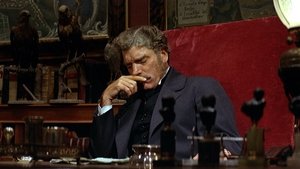
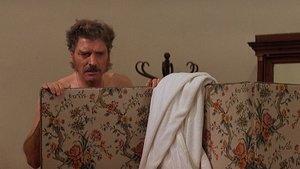
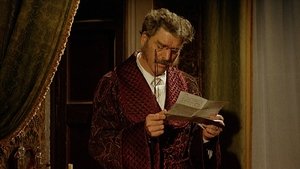
I was given the blu-ray of this as a gift recently and what a lovely, thoughtful present that proved to be. The photography is glorious - the light is brilliant. Visconti delivers a truly captivating period piece but with none of the shallowness of many other costume/historical dramas. It features a ... magnificent performance from the gently aristocratic, classy Burt Lancaster as a Sicilian Prince coming to terms with the absorption of his kingdom into the newly unified Kingdom of Italy. The trials of love, war, the lavish and the poverty are all expertly and delicately portrayed and I really did get a sense of the fragility of the times. Alain Delon and Rina Morelli are superb, as is Claudia Cardinale and Nino Rota provides some sumptuous orchestrations to help all along. Knowing much about the history of the time isn't essential, it all unfolds wonderfully...
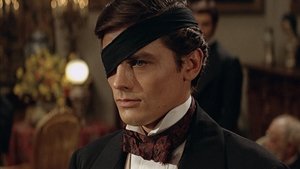
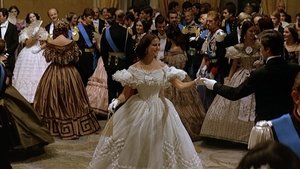
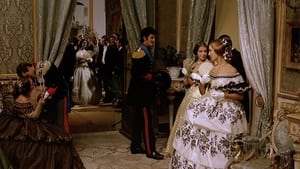
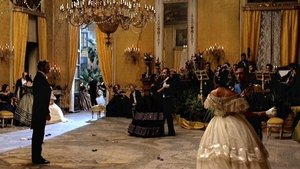
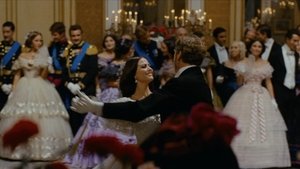
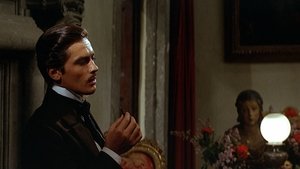
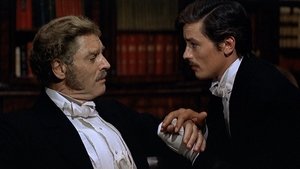
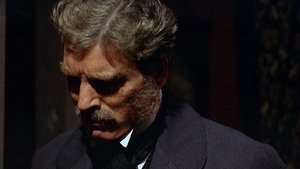
Elegy for the Aristocracy Luchino Visconti's 1963 masterpiece, Il Gattopardo, does not merely narrate the historical transformation of an era; it is also a death hymn for a class. On the hot, dusty soil of Sicily, as the elegance of an age slowly turns to embers, Visconti invites his audience to ... history's most sorrowful ball. Prince Fabrizio Salina (Burt Lancaster) is the representative of a glorious past: with his nobility, wisdom, and dignity, he is both the honor and the last scion of his lineage. However, the world's order is changing. As kings, revolutionaries, and the nouveau riche take the stage, the aristocracy represented by Salina is in a state of elegant collapse. The Prince knows he cannot stop this change; he cannot slow down time, he cannot preserve his values, he can only watch what is happening. This observation—with melancholy, acceptance, and a touch of grace—is the heart of the film. Drawing from his own aristocratic origins, Visconti offers neither praise nor hatred. His camera portrays the aristocracy not as an ideology, but as a state of mind: one where beauty, discipline, and refinement converge with pride and helplessness. In the film's magnificent ball scene, the weary expression on the Prince's face summarizes everything: the music still plays, the dance continues, but he has already passed into history. Il Gattopardo combines the aesthetics of the aristocracy with the weight of its downfall. The sounds of the waltz echoing through the ballrooms are now merely the echo of a bygone era. As new generations——like Tancredi, portrayed by Alain Delon—rise, the old generations are compelled to make a graceful retreat. Visconti's rendering of these scenes is as dignified as a funeral rite, almost like a painting. The film's pace is slow because downfalls are not experienced in haste. Each frame lingers to make one feel the texture of an era; the costumes, facial expressions, and beads of sweat merge with the weight of the Sicilian sun. These details create the film's sense of "grandeur." Here, slowness is not an aesthetic choice, but a form of mourning. In the end, The Leopard is like the funeral ceremony not only of the Italian aristocracy but of an entire "old world." As modern times advance, nobility and moderation give way to ambition, self-interest, and new forms of power. Visconti narrates this inevitable transformation not with tears, but with an elegant acceptance—as if echoing Tancredi's words: "If we want things to stay as they are, things will have to change!"