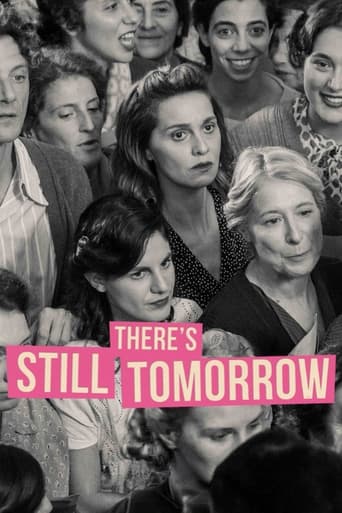
There's Still Tomorrow
2023 | 118m | Italian
Popularity: 2 (history)
| Director: | Paola Cortellesi |
|---|---|
| Writer: | Paola Cortellesi, Giulia Calenda, Furio Andreotti |
| Staring: |
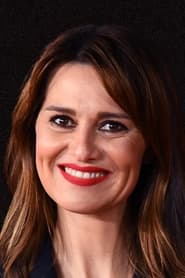

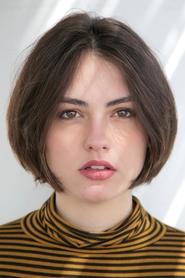

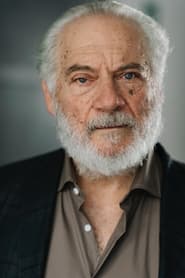

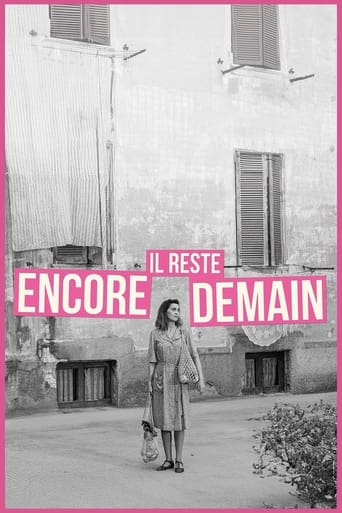
| In postwar Rome, a working-class woman dreams of a better future for herself and her daughter while facing abuse at the hands of her domineering husband. When a mysterious letter arrives, she discovers the courage to change the circumstances of her life. | |
| Release Date: | Oct 26, 2023 |
|---|---|
| Director: | Paola Cortellesi |
| Writer: | Paola Cortellesi, Giulia Calenda, Furio Andreotti |
| Genres: | Drama, Comedy, History |
| Keywords | woman director, female empowerment, 1940s, abusive husband, women empowerment, historical comedy, pastiche, post-war italy |
| Production Companies | Wildside, Vision Distribution |
| Box Office |
Revenue: $50,121,593
Budget: $9,000,000 |
| Updates |
Updated: Mar 16, 2026 Entered: Feb 24, 2025 |



![Official US Trailer [Subtitled]](/extra_thumbs/Z5hAvdF6xQA.jpg)
![Trailer [Subtitled]](/extra_thumbs/nNREdtrrQyk.jpg)









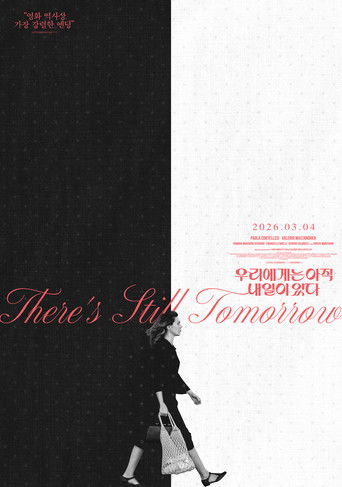
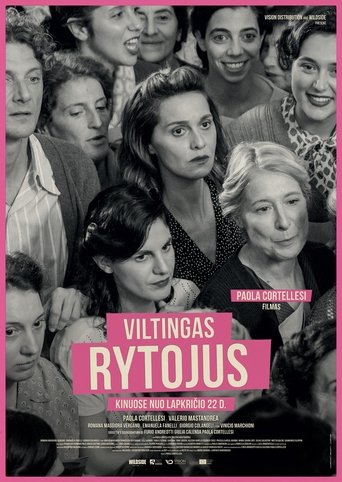

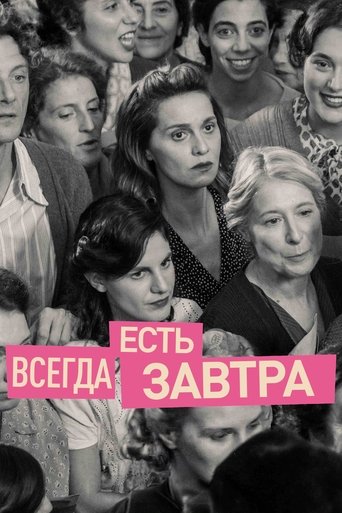

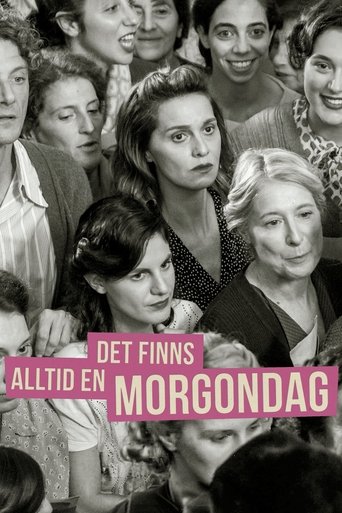











| Name | Character |
|---|---|
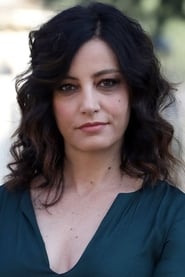
| Paola Cortellesi | Delia |
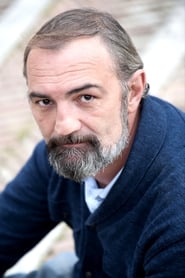
| Valerio Mastandrea | Ivano |
| Romana Maggiora Vergano | Marcella |
| Emanuela Fanelli | Marisa |
| Giorgio Colangeli | Sor Ottorino |
| Vinicio Marchioni | Nino |
| Alessia Barela | Orietta |
| Francesco Centorame | Giulio |
| Raffaele Vannoli | Alvaro |
| Paola Tiziana Cruciani | Sora Franca |
| Yonv Joseph | William |
| Federico Tocci | Mario |
| Priscilla Micol Marino | Sora Giovanna |
| Maria Chiara Orti | Sora Rosa |
| Silvia Salvatori | Sora Elvira |
| Mattia Baldo | Sergio |
| Gianmarco Filippini | Franchino |
| Ilaria Falini | Mamma de Lulli |
| Paolo Zuccari | |
| Flavio Domenici |
| Name | Job |
|---|---|
| Paola Comencini | Production Design |
| Alberto Moretti | Costume Design |
| Laura Muccino | Casting |
| Ermanno Spera | Makeup & Hair |
| Filippo Porcari | Sound |
| Paola Cortellesi | Screenplay, Director, Story |
| Giulia Calenda | Screenplay, Story |
| Fiorella Cicolini | Set Decoration |
| Federica Ripani | Sound |
| Roberto Leone | Line Producer |
| Lele Marchitelli | Original Music Composer |
| Francesca Polic Greco | First Assistant Director |
| Davide Leone | Director of Photography |
| Valentina Mariani | Editor |
| Sara Casani | Casting |
| Furio Andreotti | Screenplay, Story |
| Name | Title |
|---|---|
| Ludovica Rapisarda | Executive Producer |
| Saverio Giuseppe Guarascio | Executive Producer |
| Mandella Quilici | Executive Producer |
| Gianluca Mizzi | Executive Producer |
| Mario Gianani | Producer |
| Lorenzo Gangarossa | Producer |
| Organization | Category | Person |
|---|
Popularity History
| Year | Month | Avg | Max | Min |
|---|---|---|---|---|
| 2024 | 4 | 28 | 38 | 22 |
| 2024 | 5 | 29 | 41 | 15 |
| 2024 | 6 | 19 | 25 | 13 |
| 2024 | 7 | 31 | 55 | 16 |
| 2024 | 8 | 44 | 105 | 21 |
| 2024 | 9 | 35 | 54 | 24 |
| 2024 | 10 | 33 | 73 | 20 |
| 2024 | 11 | 45 | 176 | 14 |
| 2024 | 12 | 22 | 48 | 14 |
| 2025 | 1 | 21 | 31 | 16 |
| 2025 | 2 | 15 | 23 | 4 |
| 2025 | 3 | 17 | 41 | 2 |
| 2025 | 4 | 3 | 4 | 2 |
| 2025 | 5 | 2 | 3 | 2 |
| 2025 | 6 | 2 | 3 | 1 |
| 2025 | 7 | 2 | 4 | 1 |
| 2025 | 8 | 1 | 3 | 1 |
| 2025 | 9 | 1 | 2 | 1 |
| 2025 | 10 | 2 | 3 | 1 |
| 2025 | 11 | 3 | 5 | 1 |
| 2025 | 12 | 4 | 6 | 1 |
| 2026 | 1 | 1 | 2 | 1 |
| 2026 | 2 | 1 | 3 | 1 |
| 2026 | 3 | 3 | 6 | 2 |
Trending Position
| Year | Month | High | Avg |
|---|---|---|---|
| 2025 | 11 | 282 | 586 |
| Year | Month | High | Avg |
|---|---|---|---|
| 2025 | 10 | 702 | 795 |
| Year | Month | High | Avg |
|---|---|---|---|
| 2025 | 5 | 678 | 678 |
| Year | Month | High | Avg |
|---|---|---|---|
| 2025 | 4 | 945 | 945 |
| Year | Month | High | Avg |
|---|---|---|---|
| 2025 | 3 | 99 | 455 |
| Year | Month | High | Avg |
|---|---|---|---|
| 2025 | 2 | 485 | 650 |
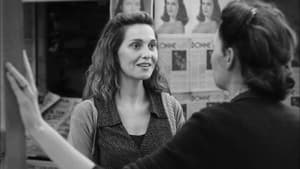
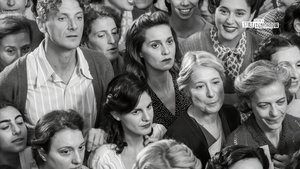
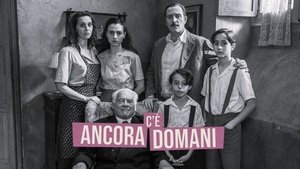
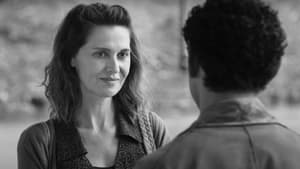
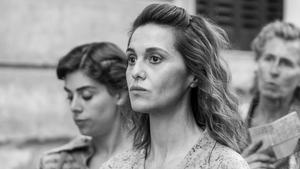
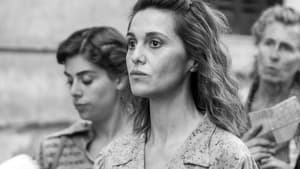
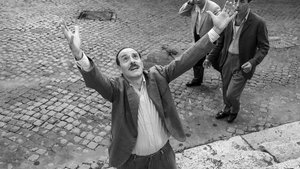
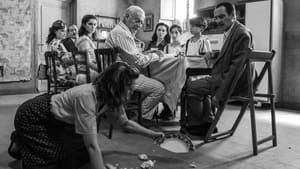
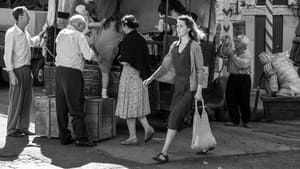
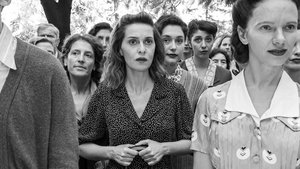
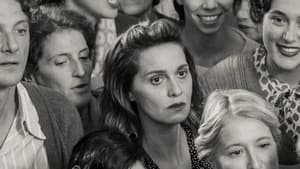
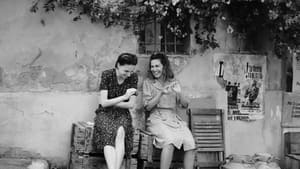
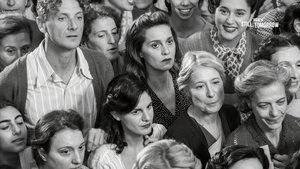
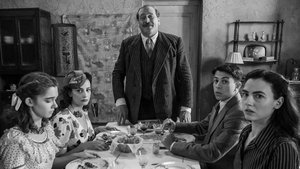
This reminded me of one of those beautifully photographed post-war Vittorio De Sica stories with Sophia Loren. This time, it's the long suffering "Delia" (Paola Cortellesi) who is marred to the brutish "Ivano" (Valerio Mastandrea) and lives with their three children and her ailing father-in-law. The ... love has long since departed their marriage, and a few fleeting conversations with struggling garage-owner "Nino" (Vinicio Marchioni) fills us in on a bit of her own romantic backstory before she met "Ivano". Their elder daughter "Marcella" (Romana Maggiora Verano) is sweet on "Giulio" (Francesco Centorame) who's the son of a local and rather pompous café owner and his wife. "Delia" suspects, though, that any marriage between the pair would merely end up mirroring her own so resorts to some quite ingenious Sicilian tactics before focusing on the one thing that might offer her some sense of individual fulfilment. With the brutality becoming ever more regular, we see a woman who is resorting to desperate measures - but what exactly is she trying to achieve? What's striking about this is the way the violence is portrayed. The kids are always removed from the room and then it's a dance. Almost as if it were being portrayed on stage - and it's entirely effective. Cortellesi directs this too, but avoids falling into that trap of losing objectivity with her impassioned storytelling. It's the variety and spirit of the characters that offer us a touching look at family and community set against a backdrop of extreme chauvinism, political tensions and a little dark humour too. The monochrome presentation works really well and this really is worth a watch in the cinema if you can.
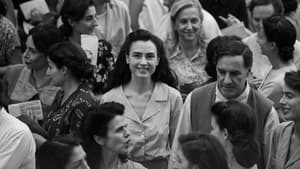
Employing an alternative approach in making a statement can be quite a daunting challenge. That’s particularly true when it comes to using humor in conveying an otherwise-serious point. If anything is off kilter in that regard, the message can easily become mixed, obscured or largely lost. Such is t ... he case, unfortunately, with actor-director Paola Cortellesi’s debut feature about women’s empowerment in post-war Italy, a somewhat confusing release that unsuccessfully seeks to fuse humor and drama in examining its subject. Set in Rome in 1946 not long after women acquired the right to vote, the film follows the predominantly dismal life of Delia Santucci (Cortellesi), a working class mother of three who juggles several odd jobs while struggling to cope with a bad marriage to a controlling, ever-suspicious, physically and verbally abusive husband, Ivano (Valerio Mastandrea). She wants a better life for herself, and there are many who sincerely encourage her to pursue it, including an old flame (Vinicio Marchioni); a kindly American MP (Yonv Joseph); a pair of sympathetic neighbors (Emanuela Fanelli, Raffaele Vannoli); her daughter, Marcella (Romana Maggiora Vergano), who’s on the verge of becoming engaged; and even her live-in, often-cantankerous, though not entirely unsympathetic father-in-law (Giorgio Colangeli). But, try as she might, Delia’s frequently derailed by events and her own reluctance to work up the nerve to make a change. However, when an opportunity arises to chart a new course, will she be able to rise to the occasion? By all rights, this might seem like a solid premise for a narrative, but the execution is decidedly uneven, to say the least. For instance, a good deal of this production is peppered with gentle but effective humor, much of it quite skillfully handled, too, evoking laughs like those found in the Oscar-winning classic “Moonstruck” (1987). But this comedic element frequently comes across as highly incongruous with the picture’s more serious aspects, such as the perils of domestic violence, stifling the right to self-expression, and equal pay and work opportunities. Then there’s the suffrage angle of this story, which ultimately plays an important part in the film but is treated mostly as an afterthought throughout much of the picture. On top of this, the musical attributes of this offering are truly puzzling, such as the bizarre incorporation of contemporary compositions in the soundtrack (in a period piece movie set in the 1940s?) and the inclusion of fantasy song and dance sequences aimed at illustrating the inherent ambiguity frequently found in spousal abuse scenarios, a treatment of this topic that arguably comes across as flippant. To its credit, the film’s black-and-white cinematography is often stunning to look at, and the performances of the excellent ensemble cast are truly commendable. And, for what it’s worth, “There’s Still Tomorrow” was a huge box office hit in its homeland and managed to capture six David di Donatello Awards, the Italian equivalent of the Oscars (inexplicable as those accomplishments might seem). However, the overall mix here seems somewhat skewed in light of the subject matter and apparent intents underlying this project. Perhaps that’s attributable to this being the filmmaker’s first-time directorial effort. Or perhaps it’s due to an inadequate application of style over substance. Either way, this offering would appear to represent a missed opportunity to make an important point, one that many Italian women still wrestle with to this day, even after all these many years.